

Foundation cracks: what they mean and when to call
Not every crack is a problem. Here is how to tell the difference.
Concrete cracks. The question is whether a crack is normal or a sign that something is moving.
Concrete shrinks as it cures, so thin cracks are common and often harmless. Cracks caused by settling, heaving or water problems tend to look different and keep changing.
This guide explains the common types. Only an inspection can tell you the cause of a specific crack, so when in doubt, call us.
- Learn the common crack types
- Track a crack over time
- Know when to call for an assessment
- Serving Corpus Christi, the Rio Grande Valley and South Texas
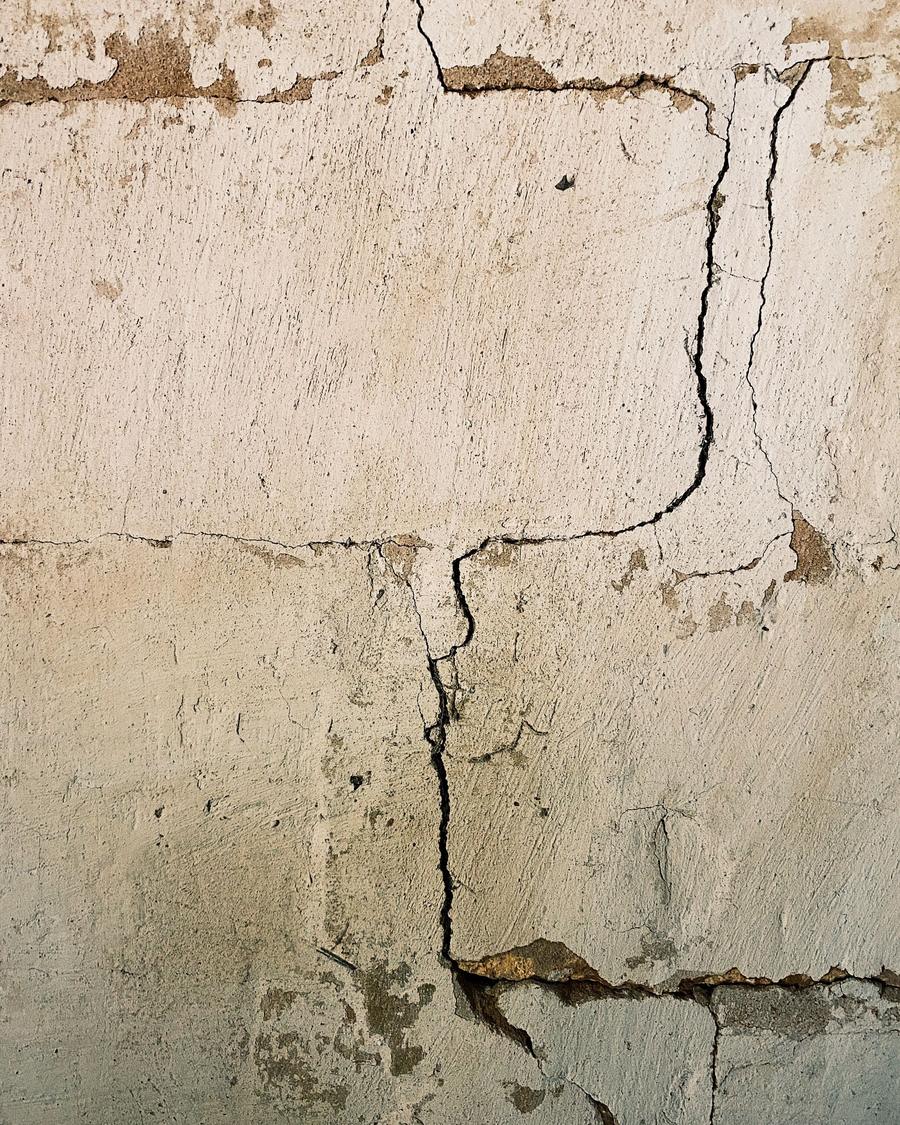
Common types of cracks
- Hairline vertical cracks
- Thin cracks in a slab or wall are often shrinkage from curing and may be cosmetic.
- Stair-step cracks
- Cracks that follow mortar joints in brick or block can point to movement in the foundation.
- Horizontal cracks
- Cracks running sideways in a foundation or block wall can mean pressure on the wall. Get these checked.
- Diagonal cracks near doors and windows
- Cracks that start at the corners of openings often show the structure shifting.
- Cracks with a height difference
- If one side of a crack is higher than the other, the slab or wall has moved.
- Widening cracks
- A crack that keeps growing is the clearest sign that the cause is still active.
How to track a crack
You can learn a lot in a few weeks without any tools beyond a phone and a ruler.
- Photograph the crack with a ruler next to it and write down the date
- Measure its width and note whether one side is higher
- Check it again every few weeks and after heavy rain
- Send us the photos when you call
When to call
Call for an assessment if you notice any of these. You do not have to wait for damage to get worse.
- A crack about a quarter inch wide or more
- One side of a crack higher than the other
- Horizontal or stair-step cracks
- Cracks that are growing
- Cracks along with sticking doors or windows, or sloping floors
Common questions
Are hairline cracks in a slab normal?
Often, yes. Concrete shrinks as it cures and thin cracks are common. A professional can confirm whether a crack is cosmetic or a sign of movement.
Can I just patch a foundation crack?
A patch can seal a crack, but it will not stop movement if the cause is still there. A patch can also hide changes you would want to track.
How wide is too wide?
As a rough guide, cracks about a quarter inch or wider, cracks where one side is higher than the other, horizontal cracks and cracks that keep growing deserve a professional look.
Do foundation cracks always mean serious problems?
No. Many cracks are cosmetic. But some are early warnings, so tracking them and getting an assessment when in doubt is the safe approach.
Get a foundation quote
972-535-9023Call or text, or send the form and we'll get back to you during business hours.
- Emailinfo@ultraproservices.com
- HoursMon–Fri 8am–5pm. Weekends by appointment only.
- AreaCorpus Christi, the Rio Grande Valley and South Texas.
- PaymentTerms are listed on your written quote and invoice.